News
better business decisions
Posted 2 weeks ago | 3 minute read
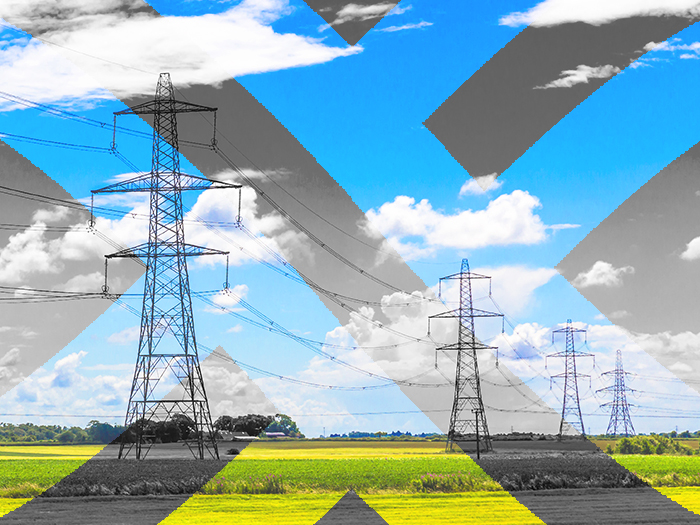
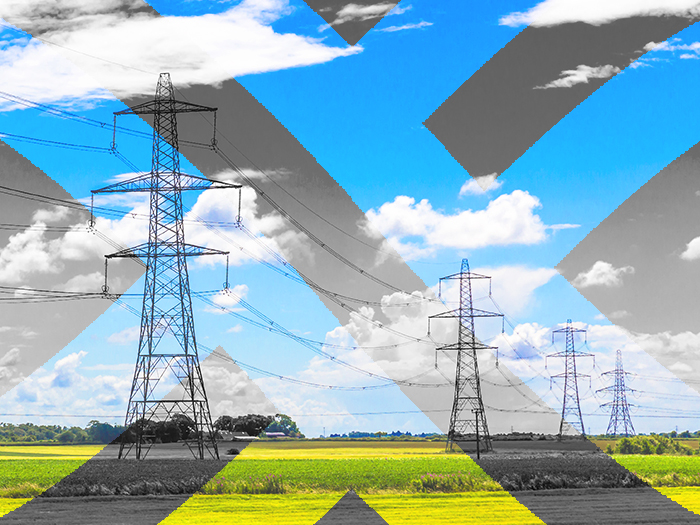
The age of electricity: the growing role of electricity in economies and energy systems
Electricity is taking on an increasingly central role in economies and is opening up new opportunities for countries to strengthen energy security, boost competitiveness and reduce emissions through faster electrification of their economies, according to a new IEA special report.
Amid this year’s Strait of Hormuz crisis, momentum behind key electric technologies is growing. Many countries are considering how they can further leverage electrification to reduce their dependence on imported fuels while lowering emissions. The report, which was prepared at the request of Türkiye, the COP31 President, and Australia, the COP31 President of Negotiations and published on 22 September, examines the potential to accelerate electrification globally and the extent to which progress could be sped up.
It notes that between 2015 and 2025, electricity demand increased by more than 3% per year as a result of increasing demand for cooling, appliances, manufactured goods, digital services, AI and the expansion of the electrification of transport. But it notes that faster electrification could bring benefits for energy security in addition to climate goals.
Based on technologies available today and energy prices at the levels seen before the onset of the Strait of Hormuz crisis, the report found that electricity could cost-effectively meet 33% of the world’s final energy consumption by 2035, up from 23% today. The report also highlights that fuel-importing countries could cut their import bills by more than $280.5B a year from 2025 levels.
Electrification also offers an opportunity to tackle emissions. In the faster electrification scenario, CO2 emissions from transport, buildings and industry fall by 40% by 2035, a rate of decline which is aligned with international climate goals. The report notes that this would be sufficient to put total energy-related CO2 emissions on a downward trajectory, regardless of the electricity generation mix. A rapid expansion of domestically based low-emissions power supply would further amplify the energy security and emissions benefits.
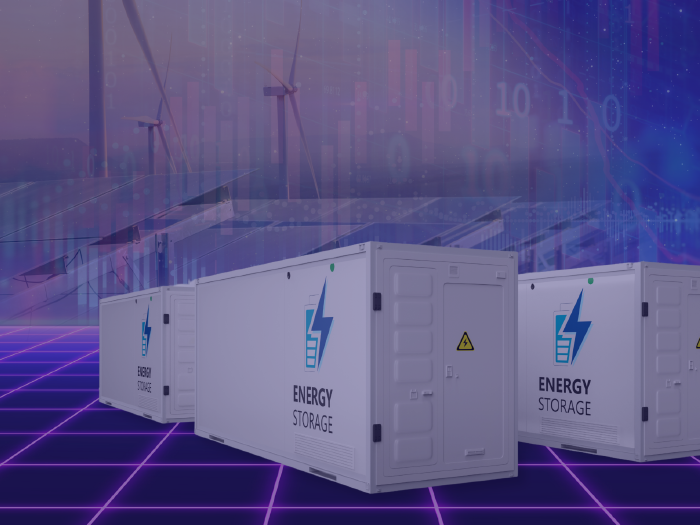
It also said that secure, reliable and affordable electrification requires low-emissions generation, grids, digital capabilities, storage and other flexibility options to develop together. Grids need to be modernised and expanded 40% faster to 2035 than over the past decade to connect new supply and rapidly growing demand in the High Electrification Scenario, with delays leading to longer connection queues, greater congestion and curtailment, and increased risks to reliability. On a pathway to net zero, battery storage capacity rises almost tenfold, reaching around 2900GW by 2035.
Demand response can complement this by moving vehicle charging, heating and cooling, and suitable industry processes away from periods of system stress. Together, storage and demand response can support affordable electrification by tapping lower-cost variable renewables and making fuller use of existing infrastructure. This requires co-ordinated planning of generation, networks, storage and demand, supported by the right incentives, smart-grid capabilities, and robust cybersecurity safeguards.
Latest energy insights
-
15 October 2026
6 minute read
Following the forecast: the hidden risk in battery optimization | Q&A
Read More -
7 October 2026
4 minute read
Private wires in Ireland: a new route to power for data centres and industry?
Read More -
7 October 2026
7 minute read
What is a distributed energy network, and why are businesses building their operations around one?
Read More -
25 September 2026
3 minute read
The age of electricity: the growing role of electricity in economies and energy systems
Read More -
 Awards
News
Awards
News
17 September 2026
2 minute read
GridBeyond named a Business Energy Achievement Awards winner for innovation in data centre energy flexibility
Read More -

17 September 2026
2 minute read
MPs call for removal of “net zero” from government terminology
Read More