News
better business decisions
Posted 22 hours ago | 2 minute read
IRENA urges faster renewable electrification
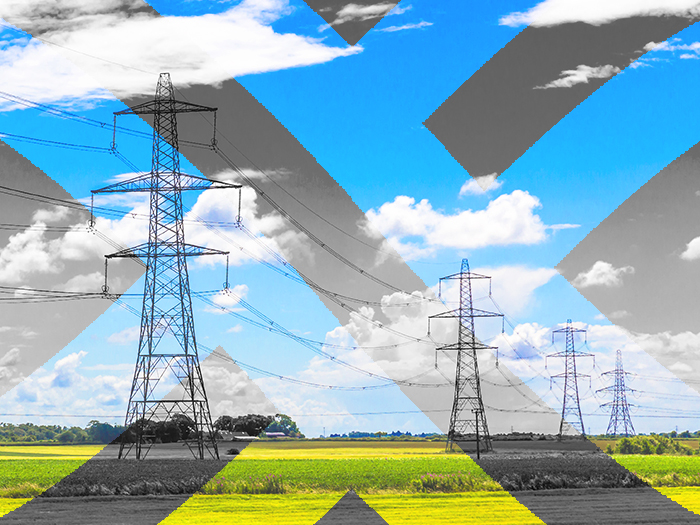
The International Renewable Energy Agency (IRENA) has called for a major acceleration in renewable electrification to keep the global energy transition aligned with a 1.5°C-compatible pathway. It identifies electrification, energy efficiency, grids, storage and system flexibility as critical to accelerating the transition away from fossil fuels.
In its 2026 World Energy Transition Outlook (WETO), published on 13 October, it said that global installed renewable power capacity must increase from 5.2TW today to around 38.2TW by 2050. Under IRENA’s revised 1.5°C Scenario, electricity’s share of global final energy consumption would rise from around 23% today to 35% by 2035 and more than 50% by 2050, supported by around 18.4TW of renewable power capacity by 2035 and 38.2TW by 2050. By 2050, electricity would account for around 77% of final energy use in buildings, 47% in transport and 42% in industry, with sustainable bioenergy, renewable hydrogen and other sustainable fuels complementing direct electrification in hard-to-abate contexts.
But the report warns that record renewable capacity additions are being undermined by inadequate grid development, surging energy demand and energy efficiency improvements that remain significantly below the required rate. Delivering the transformation would require more than $256T in cumulative investment and expenditure between 2026 and 2050 alongside major expansion of grids, storage and flexibility.
Global installed storage capacity would increase from around 416GW in 2025 to approximately 2530GW by 2035 and almost 6860GW by 2050. At the same time, system flexibility requirements would also increase substantially across different timescales, from short-term and daily balancing to weekly and seasonal needs, depending on the generation mix and characteristics of each power system.
Latest energy insights
-
7 October 2026
4 minute read
Private wires in Ireland: a new route to power for data centres and industry?
Read More -
7 October 2026
7 minute read
What is a distributed energy network, and why are businesses building their operations around one?
Read More -
25 September 2026
3 minute read
The age of electricity: the growing role of electricity in economies and energy systems
Read More -
 Awards
News
Awards
News
17 September 2026
2 minute read
GridBeyond named a Business Energy Achievement Awards winner for innovation in data centre energy flexibility
Read More -

17 September 2026
2 minute read
MPs call for removal of “net zero” from government terminology
Read More -
15 September 2026
4 minute read
What could Class A License Exempt Supply mean for your business?
Read More