News
better business decisions
Posted 13 hours ago | 4 minute read
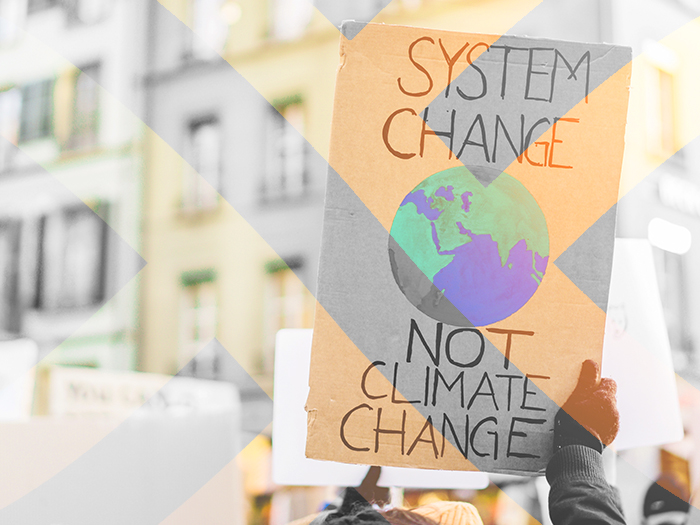
COP31: key outcomes, what they mean and what happens next
The 2026 United Nations Climate Change Conference (UNFCCC) or Conference of the Parties to the UNFCCC, more commonly known as COP31 recently concluded in Antalya Türkiye on 22 November. The key theme of the conference was “Science, Industry and Technology”.
In this article we look at what agreements were reached and what the outcomes mean for the COP process and the next conference, expected to be held in November 2027 (COP32) in Addis Ababa, Ethiopia.
What was COP31?
The 2026 UN Climate Change Conference, or the 31st Conference of the Parties to the UNFCCC. It ran in Antalya, Türkiye, and concluded on 22 November under the theme “Science, Industry and Technology”.
The host country normally holds the presidency and runs both the negotiations and the wider agenda. This year the job was split with Türkiye holding the COP Presidency, while Australia served as President of Negotiations.
What was the mood going in?
UN Secretary-General António Guterres told delegates that science now says overshooting 1.5°C is inevitable, “but science is not telling us to surrender. It’s telling us to fight harder.” He also pointed out that clean energy is now the cheapest source of new electricity across most of the world.
UN Climate Change Executive Secretary Simon Stiell set the brief at the opening: “COP31 must supercharge solutions.” A week earlier, the 2026 Yearbook of Global Climate Action (launched 9 November) had reported progress on 44 global indicators, driven largely by cities, regions, businesses and civil society.
What was the Antalya Pact?
The Antalya Pact was the Presidency-led overarching decision meant to frame the whole conference. It invited countries to electrify their economies, called on rich nations to fund adaptation in poorer ones, and urged countries to minimise overshoot of the 1.5°C threshold.
Every COP decision needs agreement from more than 190 countries, each with very different economies, energy systems and politics. The talks broke down two days after they had been due to end. The pact ultimately fell apart over fossil fuels as the draft didn’t endorse the “transition away from fossil fuels” that more than 130 countries had called for. It also included contested provisions on carbon capture and storage, which critics argue would prolong fossil fuel use.
What was agreed?
On 16 November the Presidency launched a package on responsible AI, green industrialisation and climate technology deployment. Alongside it came the Antalya Artificial Intelligence Pledge, a voluntary framework asking governments and businesses to make “concrete commitments on how they will make AI part of the climate solution”.
The pledge covers four areas:
- powering and building AI infrastructure and hardware sustainably
- designing, managing and procuring AI responsibly across its lifecycle
- assessing and reporting the environmental impact of AI systems
- strengthening finance and technical infrastructure for AI-for-climate, especially in developing countries
A new voluntary framework from UN Climate Change was also unveiled, that lets businesses, financial institutions, cities and regions publicly disclose their net-zero commitments, the criteria behind them and their progress. It sits on the NAZCA portal, the UN’s platform for non-state climate action since 2014. The point is transparency: a clearer, data-driven view of how net-zero goals are actually tracking in the real economy. Countries also backed faster electrification, anchored by the COP31 Presidency’s 35×35 Global Electrification Pledge.
Where do things go from here?
COP32 in Ethiopia is the next formal milestone, which will begin in November 2027.
GridBeyond CCO Mark Davis said:
“International agreements set the direction, but the energy transition gets delivered on the grid, one asset at a time. Whatever the pace of the talks, demand for flexible, intelligent and distributed energy will keep growing. We’ll keep helping customers turn that into lower costs, new revenue and lower emissions”.
Latest energy insights
-

11 November 2026
5 minute read
Connection is the new location: what the Data Centre Covenant means for power and flexibility
Read More -
26 October 2026
4 minute read
Britain’s electricity supplies expected to remain secure this winter
Read More -

20 October 2026
6 minute read
Choosing a demand response or battery optimisation partner: 10 questions to ask before you sign
Read More -
15 October 2026
6 minute read
Following the forecast: the hidden risk in battery optimization | Q&A
Read More