News
better business decisions
Posted 3 weeks ago | 4 minute read
What is demand flexibility and what opportunities does it offer businesses?
As countries around the globe transition towards a decarbonised energy system demand flexibility will become increasingly important in balancing supply and demand. But what is demand flexibility and what opportunities exist for businesses to access new revenue streams and improve energy efficiency.
What is demand flexibility and why does it matter?
The energy transition has brought increasing amounts of renewables onto the grid. But as the grid mix becomes increasingly powered by weather-dependant renewable sources, and demand for electricity grows through electrification, how and when electricity is consumed needs to evolve.
With global electricity demand rising and set to add around 1000TWh each year until 2035, new ways of managing the balance between supply and demand are needed. The International Energy Agency’s policy brief, published on 23 December, concludes that when properly enabled, demand flexibility becomes a core pillar of secure, affordable and efficient power systems, maximising the value of both existing assets and future investments. .
Demand flexibility means adjusting the timing or level of electricity use in response to grid needs, such as reducing demand during peaks or increasing it when low-carbon generation is abundant. This can be enabled by smart meters, digital controls, time-of-use tariffs and connected appliances and devices.
What opportunities does demand flexibility offer?
Demand flexibility brings a wide range of benefits:
- shifting electricity consumption to lower-cost hours can offer financial benefits for businesses through participation in demand response programmes, ancillary services and wholesale trading
- utilising flexibility can also help consumers to access a significantly improved return on investment for their on-site technologies, such as solar PV, maximising their value
- by facilitating the integration of variable renewables and reducing reliance on fossil fuels during peak periods, demand flexibility can lower the carbon intensity of the power system, sometimes by as much as 70% compared to off-peak times
Changing your business’s approach to flexibility will also offer wider social and environmental benefits, by supporting a more sustainable, resilient energy system and working to tackle the effects of climate change. By improving the use of existing generation and network assets, demand flexibility can raise system efficiency by up to 30% and deliver greater value. Your business could also benefit from reputational benefits for demonstrating commitment to sustainability beyond a renewable electricity supply.
How can your business get started with demand flexibility?
To fully realise the benefits of energy flexibility, advanced solutions are necessary. This is where GridBeyond’s combination of automation and digital twin technology gives our partners a clear advantage.
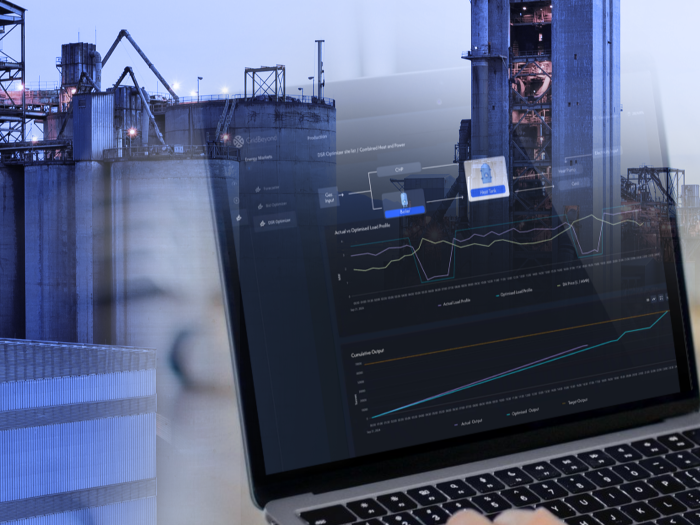
Our AI-powered platform connects directly to your energy-intensive assets, enabling fully automated dispatch in response to grid signals, often within seconds. This removes the risk of manual delays, ensures compliance with tighter performance standards, and maximises every revenue opportunity, even as dispatches become more frequent and requirements more demanding. By creating a digital twin of your site, we can model and simulate asset behaviour across different market scenarios without disrupting operations. This allows us to:
- test response strategies before they go live
- predict the financial impact
- optimise asset use across multiple programmes and sites simultaneously; balancing demand response, wholesale market trading, capacity market commitments, and ancillary services to extract maximum combined value
This advanced visibility means we can continuously adapt your energy market participation strategy, making sure revenues are not only protected but grown over time.
Our case studies
Browse our case studies to see how we’re helping businesses like yours.
-
 Metals
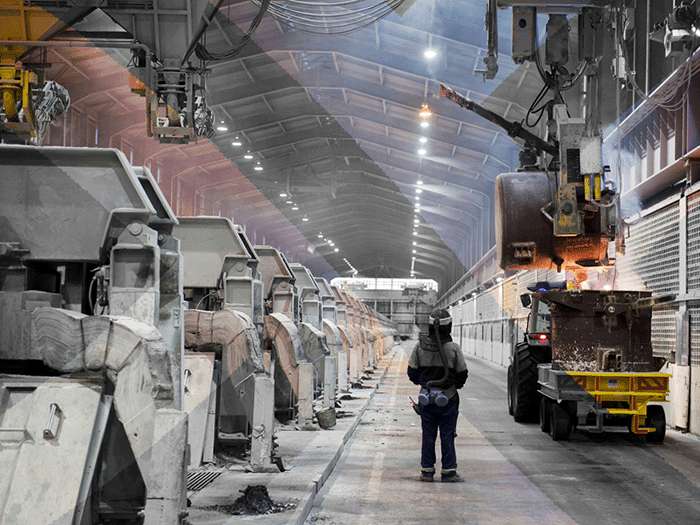
ALVANCE Aluminium Lochaber
“This is a fantastic partnership and one which both benefits the National Grid and enables SIMEC Energy’s assets to provide …
View Case Study -
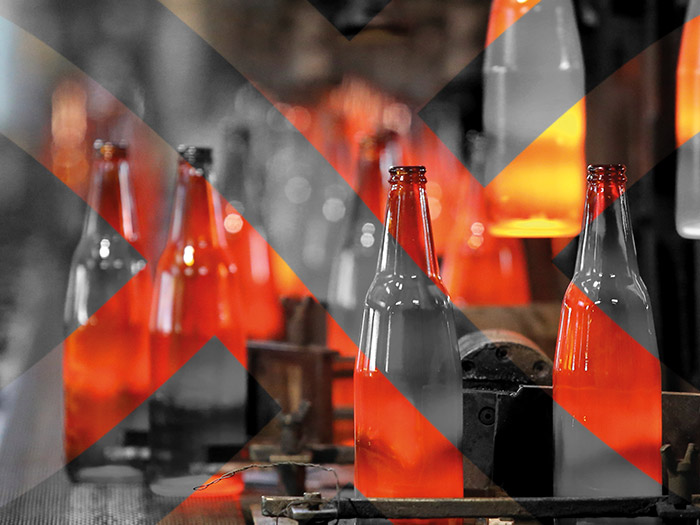 Glass
Glass
Ardagh Glass
“The grid-optimising platform, delivered by GridBeyond, enables Ardagh Group to participate in the National Grid’s Firm Frequency …
View Case Study -
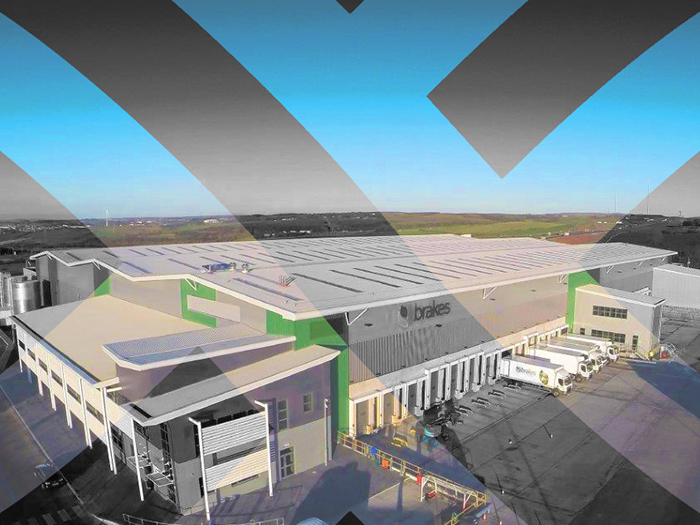 Food
Food
Brakes a Sysco Company
“Brakes a Sysco Company, is totally committed to our Corporate Responsibility (CR) strategy and implementation initiatives and plans. …
View Case Study -
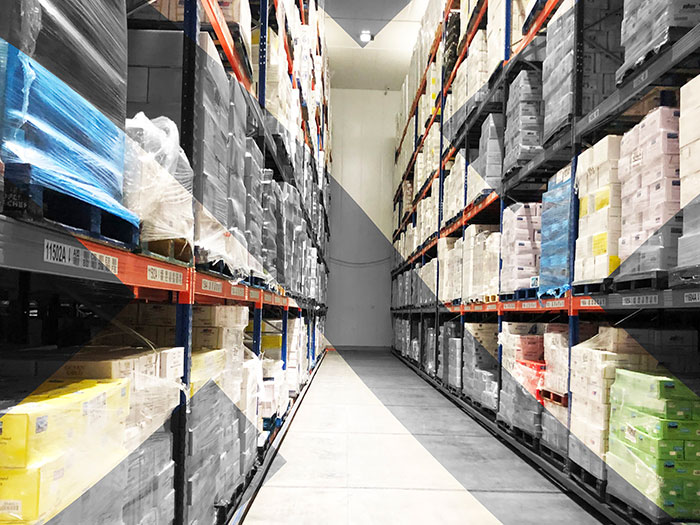 Coldstore
HSH Coldstores
Ready to enhance savings, revenues and sustainability? Discover if you can participate in demand side response. Book a 20 minute …
View Case Study -
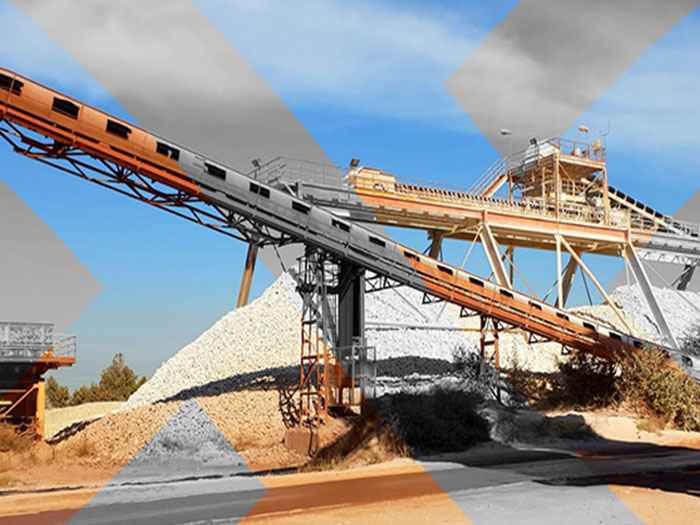 Aggregates
Imerys
“As a global industrial company, becoming more sustainable is one of Imerys’s key priorities. “Our partnership with GridBeyond has …
View Case Study -
 Food
Food
Natures Way Foods
“We have never had any problems. There is nothing we need to do on our side as the whole system …
View Case Study -
 Water treatment
Northern Ireland Water
“By working with GridBeyond, an experienced energy technology company, NI Water is demonstrating a continuing commitment to …
View Case Study -
 Metals
Outokumpu
“Within a few months of connecting our assets to the GridBeyond platform, we started to receive monthly revenue from the …
View Case Study -
 Logistics
Reed Boardall
“Would I recommend GridBeyond? Absolutely. In fact, I have already recommended GridBeyond’s services to my partners and colleagues …
View Case Study -
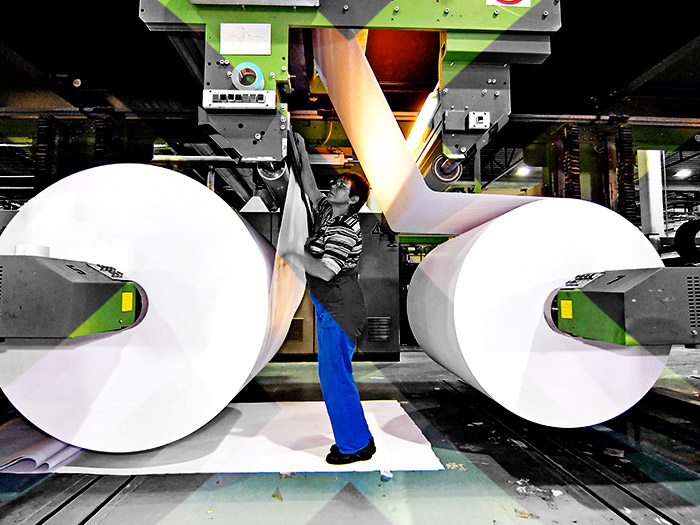 Wood and paper mill
Smurfit Kappa
“GridBeyond’s team was very good. The installation process went smoothly, without any disruption to the business operation.” hris …
View Case Study -
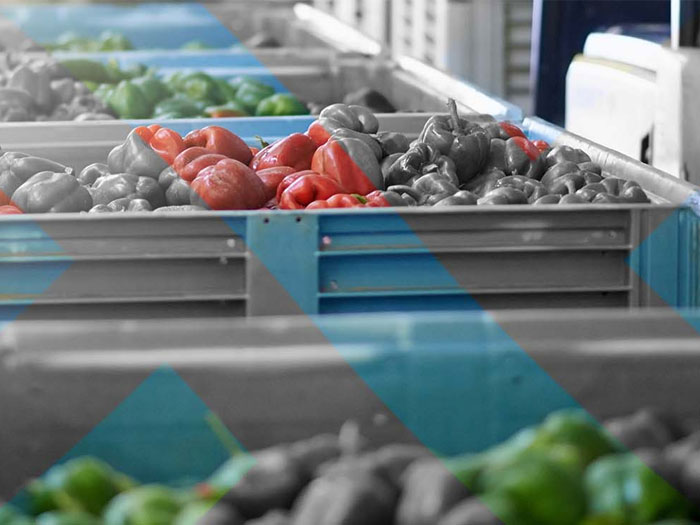 Food
Food
T H Clements
“I would not hesitate to recommend GridBeyond services to other businesses. I am very pleased with our partnership to date, …
View Case Study -
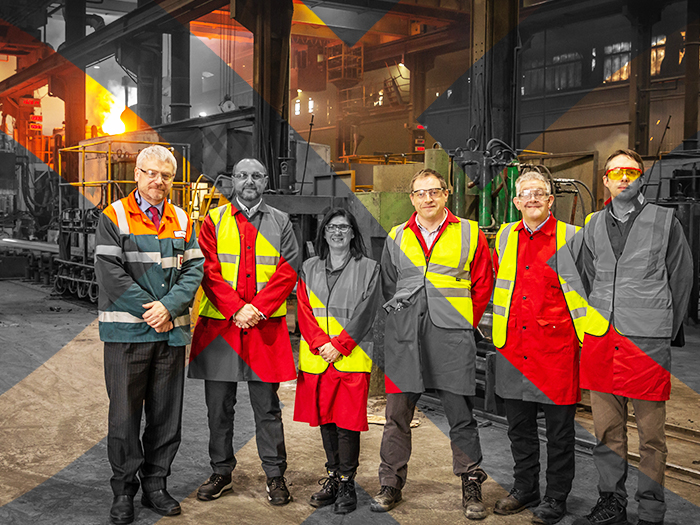 Metals
United Cast Bar
“It’s good to know we’re in safe hands. GridBeyond’s technology, engineering experience and expertise has meant we have been able …
View Case Study
Get started
- identify assets: contact us to discuss your business needs with our experts, who will help you identify your suitable assets and establish a flexibility profile that suits your business. Our engineers will then calculate your potential markets, revenues and savings
- create a bespoke energy journey plan: our team will develop a bespoke plan, from proposal and procurement to installation, including any third-party requirements, and delivery of revenues and savings year after year. We’ll work with you to establish your sites energy profiles, defining constraints and operational priorities
- installation: with no capital outlay for the customer, we install and configure our high-end technology platform to connect suitable energy intensive assets
- real-time response: once connecting and testing is completed, you are ready to make the most of your energy in real-time, without risk or impact to your productivity. Now your site is being monitored, we can also start to look at operational efficiency and optimisation programmes
- delivering benefits: our customers start receiving revenues, generating savings and optimising energy use within one month. All whilst boosting green credentials and reducing their carbon footprint.
Latest energy insights
-
 Press Release
26 March 2026
3 minute read
GridBeyond and Optima Energy sign agreement to help customers unlocking new revenues
Read More -
26 March 2026
4 minute read
How AI is helping data centres lead the next wave of grid flexibility
Read More -
 Brochure
24 March 2026
1 minute read
Whitepaper| USA | Risk transfer solutions in merchant energy markets | Downside protection strategies for battery storage assets
Read More -
 Press Release
17 March 2026
3 minute read
Samsung Ventures joins GridBeyond’s shareholder base as part of a €12M equity investment
Read More